
Scenic Fabrication in Film and Television Sets
Introduction:
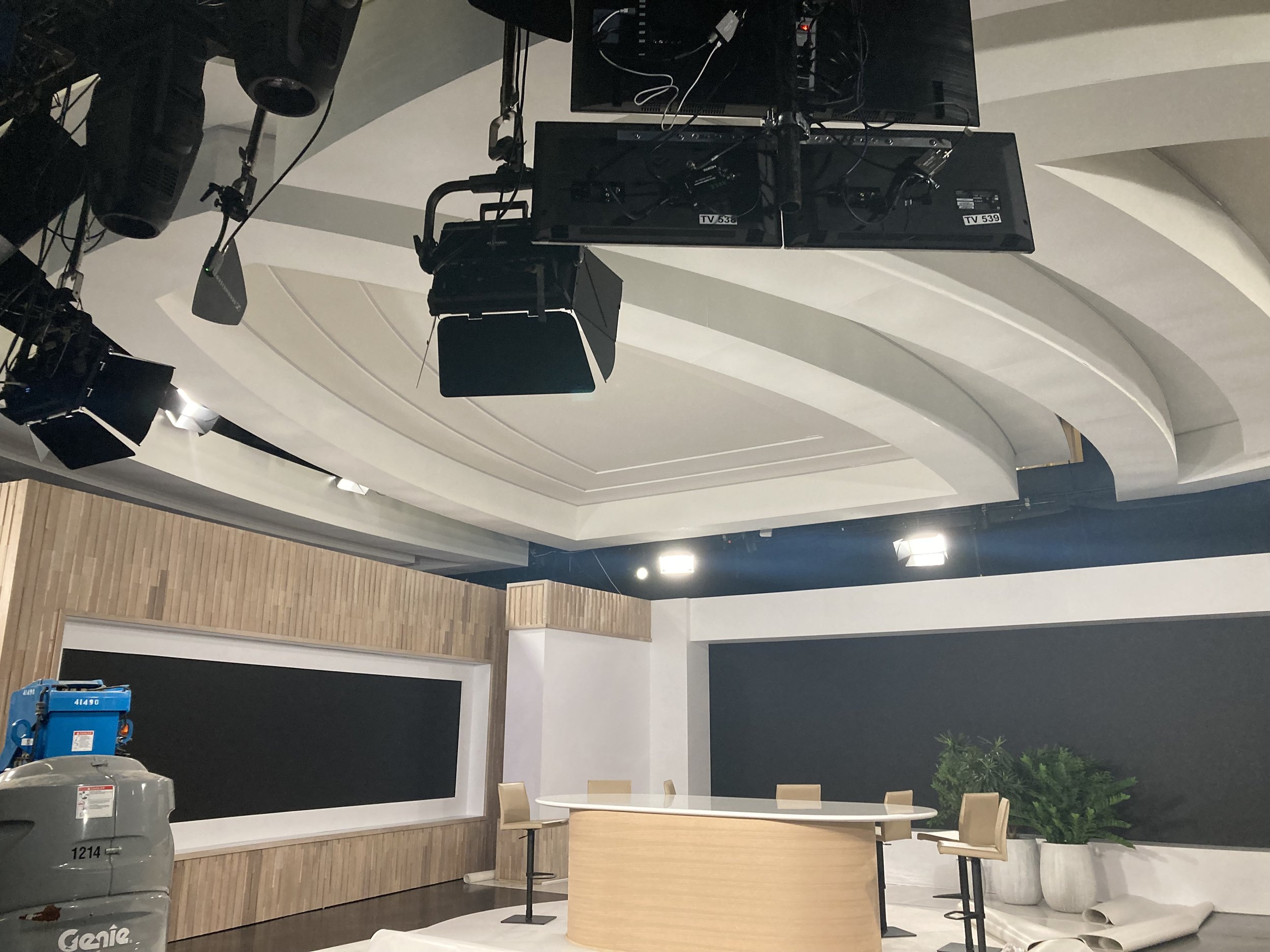
Scenic fabrication is a crucial part of film and television production. It transforms creative concepts into realistic, immersive sets that bring stories to life. A well-fabricated set provides the backdrop, atmosphere, and functionality needed for actors, cameras, and crew to work efficiently while making the narrative visually compelling.
1. Conceptualizing the Set
Collaboration Between Designers and Directors
Every film or television set begins with a concept. Set designers, art directors, and directors collaborate to ensure the scenic design aligns with the story, characters, and visual style. Early planning helps identify spatial requirements, materials, and budget constraints.
Storyboarding and 3D Visualization
Using storyboards and 3D modeling software, designers can visualize the set before fabrication. This allows for adjustments, accurate measurements, and testing camera angles, ensuring the fabricated set will meet the production’s technical and aesthetic needs.
2. Materials and Construction Techniques
Choosing the Right Materials
Material selection is vital. Sets must balance durability, weight, and aesthetics. Common materials include wood, foam, metals, plastics, and fabrics. Lightweight materials like foam are often used for quick scene changes, while wood and metals provide structural support for larger sets.
Fabrication Methods
Techniques such as cutting, carving, molding, welding, and painting bring the set to life. Advanced technologies like CNC cutting and 3D printing allow for precise and intricate designs, enabling complex structures or props that enhance realism.
3. Creating Realism and Immersion
Surface Textures and Detailing
Surface finishing is crucial for creating a believable environment. Designers use painting, weathering, faux finishes, and texturing to simulate materials like stone, wood, metal, or fabric. These details help immerse viewers in the story.
Interactive and Functional Elements
For scenes requiring movement or interaction, scenic fabrication includes functional doors, windows, furniture, or props. This allows actors to engage naturally with the set, making scenes more convincing.
4. Safety and Practical Considerations
Structural Integrity
Film and television sets must be safe for actors and crew. Fabricated structures are engineered to support weight, movement, and equipment, including lighting and cameras.
Efficient Setup and Breakdown
Sets are often temporary and require quick assembly and disassembly. Modular construction techniques and lightweight materials ensure that sets can be moved efficiently without compromising stability.
5. Special Effects and Scenic Fabrication
Incorporating Effects
Scenic fabrication often integrates special effects, such as trap doors, breakaway walls, smoke, water features, or animatronics. Proper planning ensures these effects are safe, functional, and visually effective.
Technology Integration
Advanced technology, including automation, sensors, and projection mapping, enhances the immersive quality of sets, especially for high-tech scenes or fantasy and sci-fi productions.
Conclusion:
Scenic fabrication is a cornerstone of film and television production, allowing creators to transform imaginative ideas into tangible, immersive worlds. From careful planning and material selection to detailed finishing, functional design, and safety considerations, every aspect of fabrication contributes to storytelling. By combining artistry, engineering, and technology, scenic fabrication ensures that film and television sets are not only visually stunning but also practical, safe, and ready to bring stories to life for audiences.

